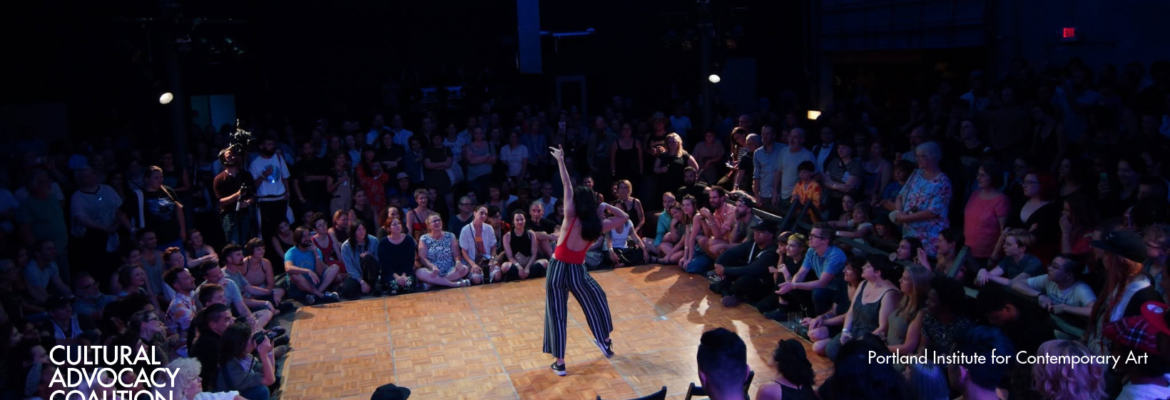
Picture a Thursday night in any Oregon town. A community choir rehearses in a church hall, while neighbors attend a local poet’s reading at the library next door. A new national study suggests that rooms like these may be where civic life begins, at a time when Americans report feeling more isolated than they have in years.
What the research found
In April 2026, the National Endowment for the Arts released The Great Connector, an analysis of three national surveys conducted in 2022 or later. In the largest, adults who took part in the arts showed a 386% increase in their likelihood of volunteering, attending community events, and other civic engagement, even after accounting for education, income, and age.
A 2025 Census survey found a smaller but significant 17% increase, and a third survey found no overall link once other factors were controlled.
Three findings stand out:
- Showing up in person matters most. Live attendance carried the strongest link, a 125% increase.
- Breadth builds on itself. People who attend, create, and give showed the highest engagement of all.
- The link crosses lines. It held across race, income, and urban, suburban, and rural communities.
The bottom line? Arts programming offers an evidence-based way to build connection.
Why Oregon is already built for this
In 2001, the Oregon Legislature created the Oregon Cultural Trust and the Cultural Tax Credit, still the only model of its kind in the country. Oregonians who give to a qualifying cultural nonprofit can make a matching gift to the Oregon Cultural Trust and claim it back in full on their state taxes. This fiscal year, that system is sending a record $4.5 million to more than 450 organizations. A quarter of the grants go to 45 county and Tribal cultural coalitions, reaching every county and Tribe, with added support for rural areas.
The grants fund in-person gatherings, from free Bend Pops Orchestra concerts to a Native youth composition workshop paired with a symphony and Indigenous drumming performance in Wallowa County. And every matching gift makes an Oregonian a supporter of the arts, which the report linked to a 127% increase in civic engagement.
Keeping the connector connected
None of this happens by accident. The Cultural Advocacy Coalition of Oregon (CACO) formed in 1998 to advocate in Salem for policies and funding that help arts, heritage, history, and the humanities thrive across the state. We are member funded and nonpartisan.
Like most Oregon tax credits, the Cultural Tax Credit carries a sunset date, and lawmakers must vote to extend it. We have testified for its renewal in past sessions, and The Great Connector adds a new argument to that case: arts participation travels with the civic habits that keep a democracy healthy. Renewing the credit sustains one of the few statewide systems built to bring Oregonians together, in person, in every county.
What you can do
Oregonians can strengthen that path in a few practical ways:
- Show up and make something. Attend a performance or join a choir, band, or class, and bring a neighbor.
- Use the Cultural Tax Credit. Give to a cultural nonprofit, match the gift to the Oregon Cultural Trust by December 31, and claim it on your state taxes.
- Join CACO and talk to your legislators. Ask them to renew the Cultural Tax Credit.