Decolonizing Thanksgiving in Oregon
By Marie Gettel-Gilmartin, Fertile Ground Communications (written in 2021; updated for 2025)
Many of us grew up learning the myth of Native Americans teaching the struggling pilgrims how to survive and celebrating with a feast in 1621. But for most Native Americans, Thanksgiving is a day of mourning.
Thanksgiving is in fact a holiday of colonizers.
What actually happened on Thanksgiving?
As Claire Bugos writes in the Smithsonian, “Massacres, disease, and American Indian tribal politics shaped the Pilgrim-Indian alliance at the root of the holiday.” The settlers stole land, spread disease, and exploited resources from the Wampanoag tribe. Then King Philip’s War “devastated the Wampanoags and forever shifted the balance of power in favor of European arrivals.”
Each year, Native American people gather to honor their ancestors and the struggles of Native peoples on the National Day of Mourning. Thanksgiving serves as a reminder of the unjust treatment that Native Americans have continued to receive since the 1620 Plymouth landing.
What is Oregon doing to shift the narrative about native stories and honor native peoples?
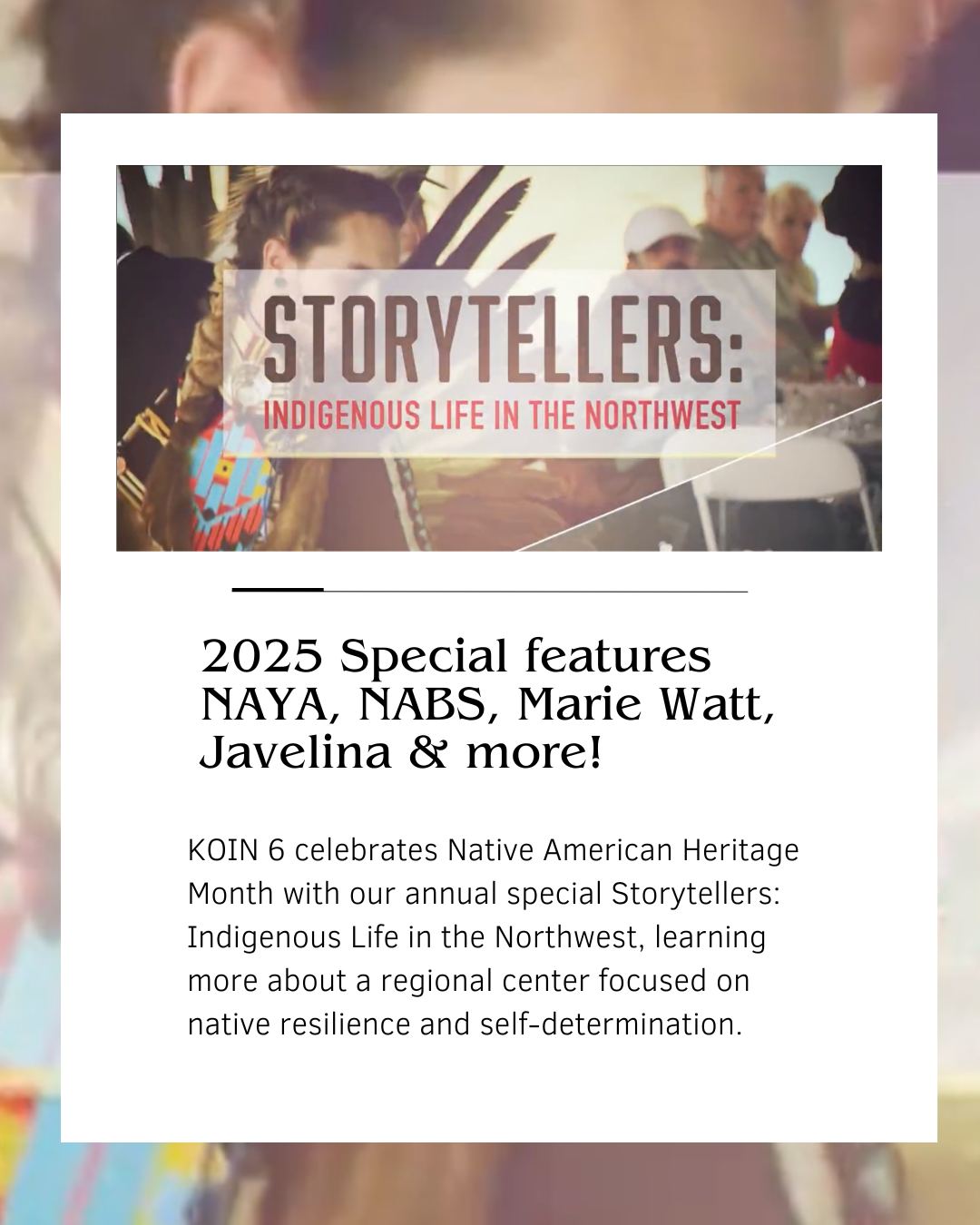
- KOIN 6 celebrates Native American Heritage Month with “KOIN Storytellers: Indigenous Life in the Northwest,” highlighting powerful stories from across our Native community. The special features the Native American Youth and Family Center’s Oscar Arana, Representative Tawna Sanchez, and Paul Lumley, along with moving segments on Elders who survived boarding schools. Thanks to the incredible work happening every day across NAYA in affordable housing, accessible childcare, Indigenous food sovereignty, youth education, and economic development. You can watch the special here.
- NAYA hosts Culture Nights each first and third Wednesday nights. They also celebrated their 22nd annual gala and auction earlier this month. Follow and donate to this great organization, which serves over 10,000 community members from nearly 400 Tribes across the country.
- The Willamette Falls Trust offers a number of great resources, including Native-owned businesses, book recommendations, events, and more.
- The Portland Art Museum is showcasing several amazing Native artists, including Marie Watt (Seneca), Dyani White Hawk (Lakota), Gail Tremblay (Onondaga and Mi’kmaq), Nan MacDonald (Metis and Algonquin), and Silas Aittauq (Inuit), to name a few.
- Willamette University is featuring “Ancestral Dialogues: Conversations in Native American Art” on permanent view in the Confederated Tribes of the Grande Ronde Gallery.
- The World Forestry Center, in cooperation with Indigenous artists and the High Desert Museum, features “Sasquatch: Ancestral Guardians,” until January 4, 2026. Indigenous peoples have long been in relationship with and shared stories about sacred forest protectors, often called Sasquatch and Bigfoot.
- The Coalition of Oregon Land Trusts shared an incredible list of suggestions, “Five Ways to Celebrate Native American Heritage Month in Reciprocity, Not Just Symbolism.”
- Multnomah County Library is offering a series of opportunities, including Native Storytime and Edible Native American Plants on 12/2,
- Our member organization, the Native Arts and Culture Foundation, is a Native-led national organization committed to mobilizing Native artists, culture bearers, communities, and leaders to influence positive social, cultural, and environmental change. The foundation offers grants and funding to support Native artists in their creative endeavors.
- The Grand Ronde tribes have an excellent collection of tribal history curriculum videos for grades kindergarten to tenth.
- Oregon universities and colleges now offer financial assistance to members of the 574 federally recognized Tribes.
- The Oregon Department of Education rolled out a “Tribal History/Shared History” curriculum in 2020. Oregon schools now have historically accurate and culturally inclusive lessons about Native Americans. Oregon’s nine Tribes collaborated on this curriculum to banish stereotypes, myths, and inaccuracies.
What can we do in our organizations or at home to decolonize Thanksgiving?
- Think about what you eat for Thanksgiving dinner. How did these foods come to you? You can buy American Indian foods from local Tribes and businesses.
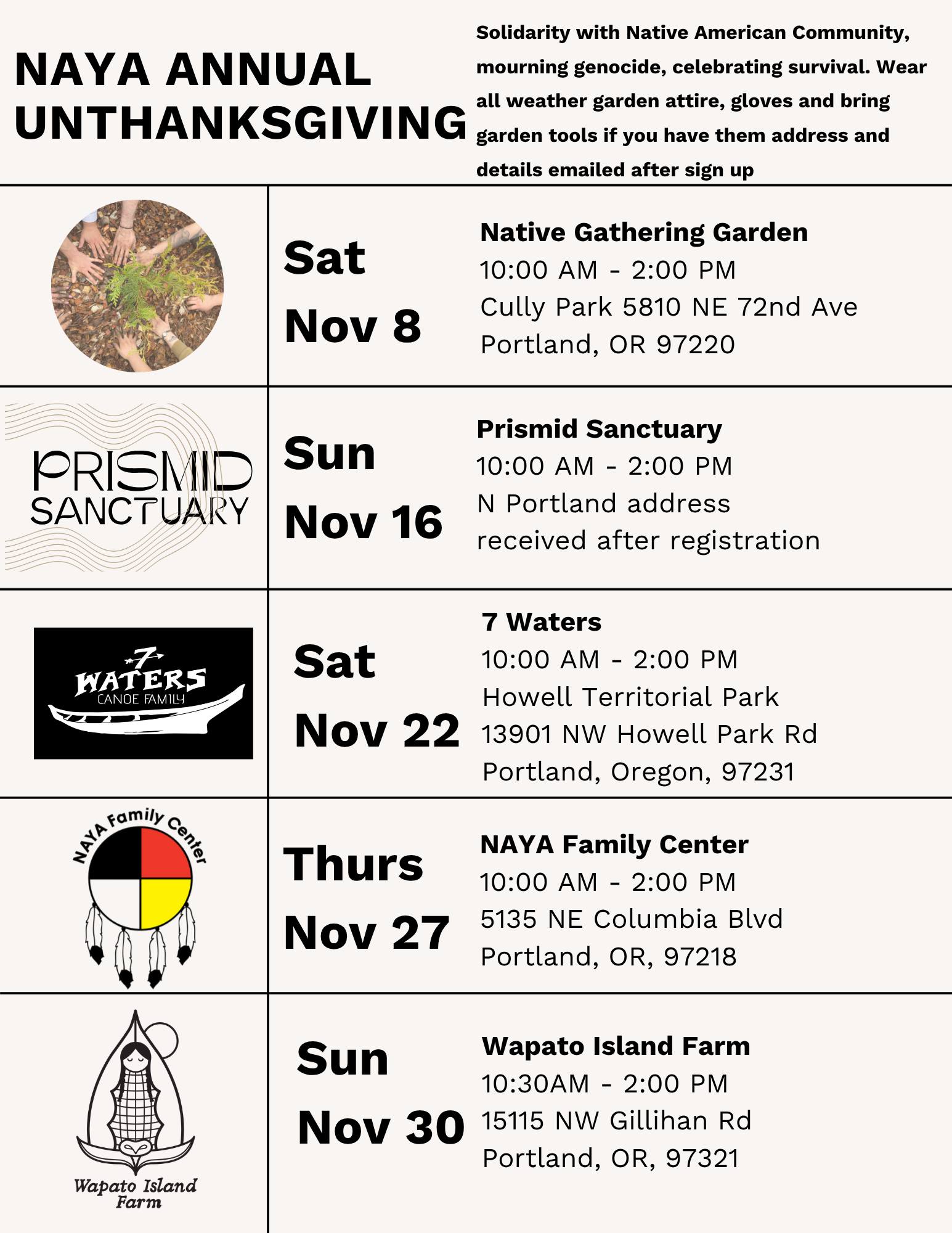
- Volunteer your services on Thursday, 11/27 or Sunday, 11/30 by helping out at Unthanksgiving events. Since 2021, NAYA has gathered community on the fourth Thursday in November, National Day of Mourning according to our Wampanoag relatives, to shift the narrative from a misleading colonial holiday toward one of mourning genocide and celebrating Indigenous survival. This year, they invite volunteers to join in honoring the land, uplifting Indigenous food sovereignty, and supporting the garden that nourishes our community year-round. Come lend a hand, learn, and stand in solidarity with Native peoples. Registration required.
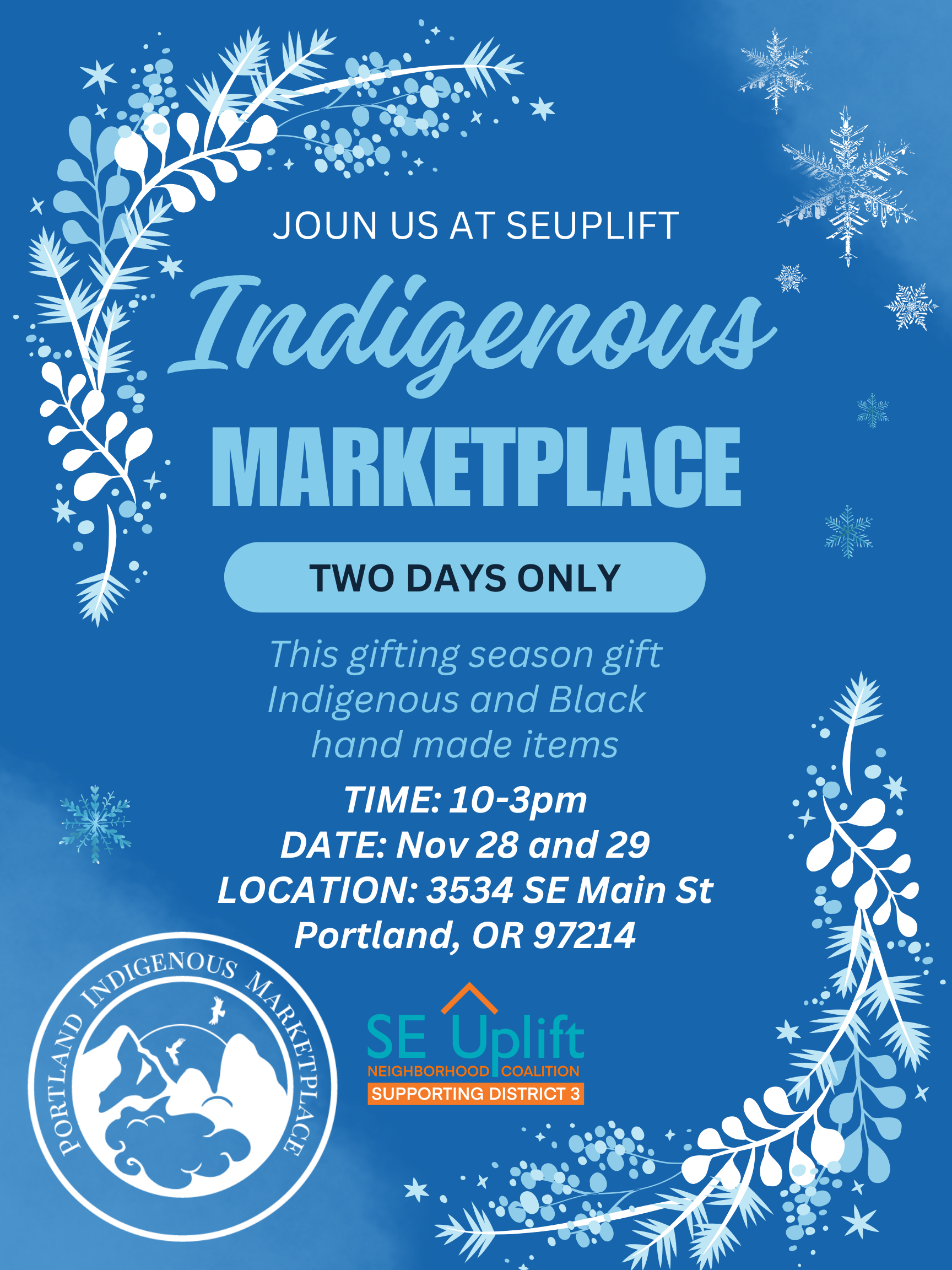
- Visit the Indigenous Marketplace at SE Uplift on 11/28 and 29 and support Native artists and craftspeople.
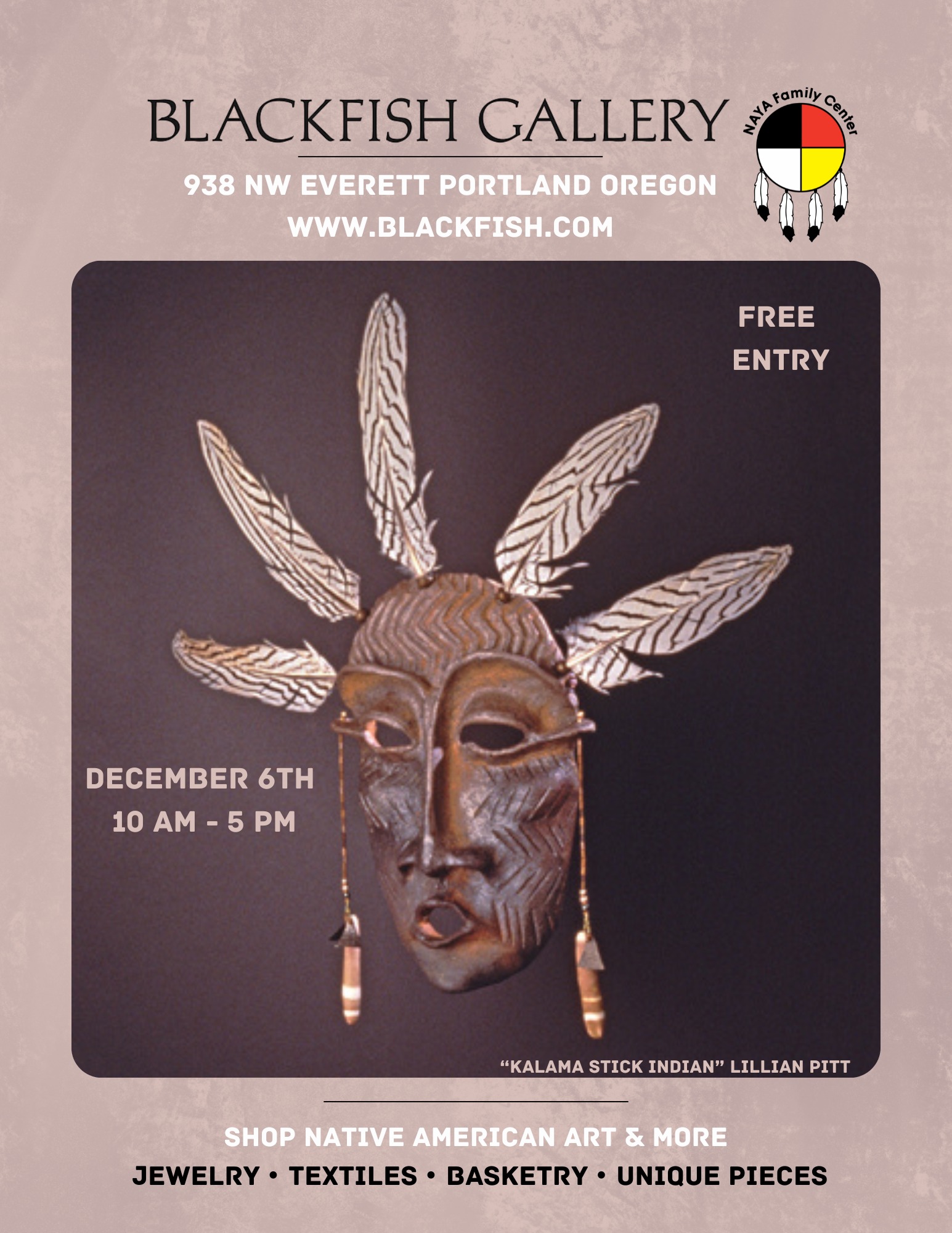
- Visit Blackfish Gallery’s collaboration with NAYA, a holiday market on December 6.
- Buy from Oregon’s Native artists and performers, as we shared in this article from 2022.
- Visit the “We Are the Land” public art installation in Portland, a collaboration between the City of Portland and indigena (an Indigenous storytelling cooperative), the City Arts Program, Regional Arts and Culture Council, Multnomah County, and Metro.
- Learn which Tribes are native to Oregon.
- Donate to and follow local Native American organizations, such as the Native Arts and Cultures Foundation, the Native American Youth and Family Center, and Wisdom of the Elders.
- Visit Native-owned farms and restaurants around the state and buy from Native-owned businesses.
- Plan an Oregon vacation to celebrate Indigenous Oregon by visiting Travel Oregon’s website.
- Listen to perspectives on thanksgiving from Wampanoag youth or watch a brilliant Native American film.
- Unlearn myths with your kids. The Portland Public Schools website has some excellent resources. Read books about Thanksgiving by indigenous authors, such as Catherine O’Neill Grace’s 1621: A New Look at Thanksgiving and Joseph Bruchac’s Squanto’s Journey: The Story of the First Thanksgiving. Or use this great hands-on activity from Teaching Tolerance. Get adult book suggestions from firstnations.org.
- Support contemporary Indigenous struggles by learning about the #LandBack movement and current land struggles faced by the Mashpee Wampanoag people. The U.S. Department of Arts and Culture has a virtual resource pack on its Honor Native Land page.
- Find out what your community is doing to support the Missing & Murdered Indigenous Women’s crisis.
- Follow the work of indigenous-led organizations such as Native American Rights Fund, Illuminatives, National Congress of American Indians, and the American Indian College Fund...or organizations here in Oregon.
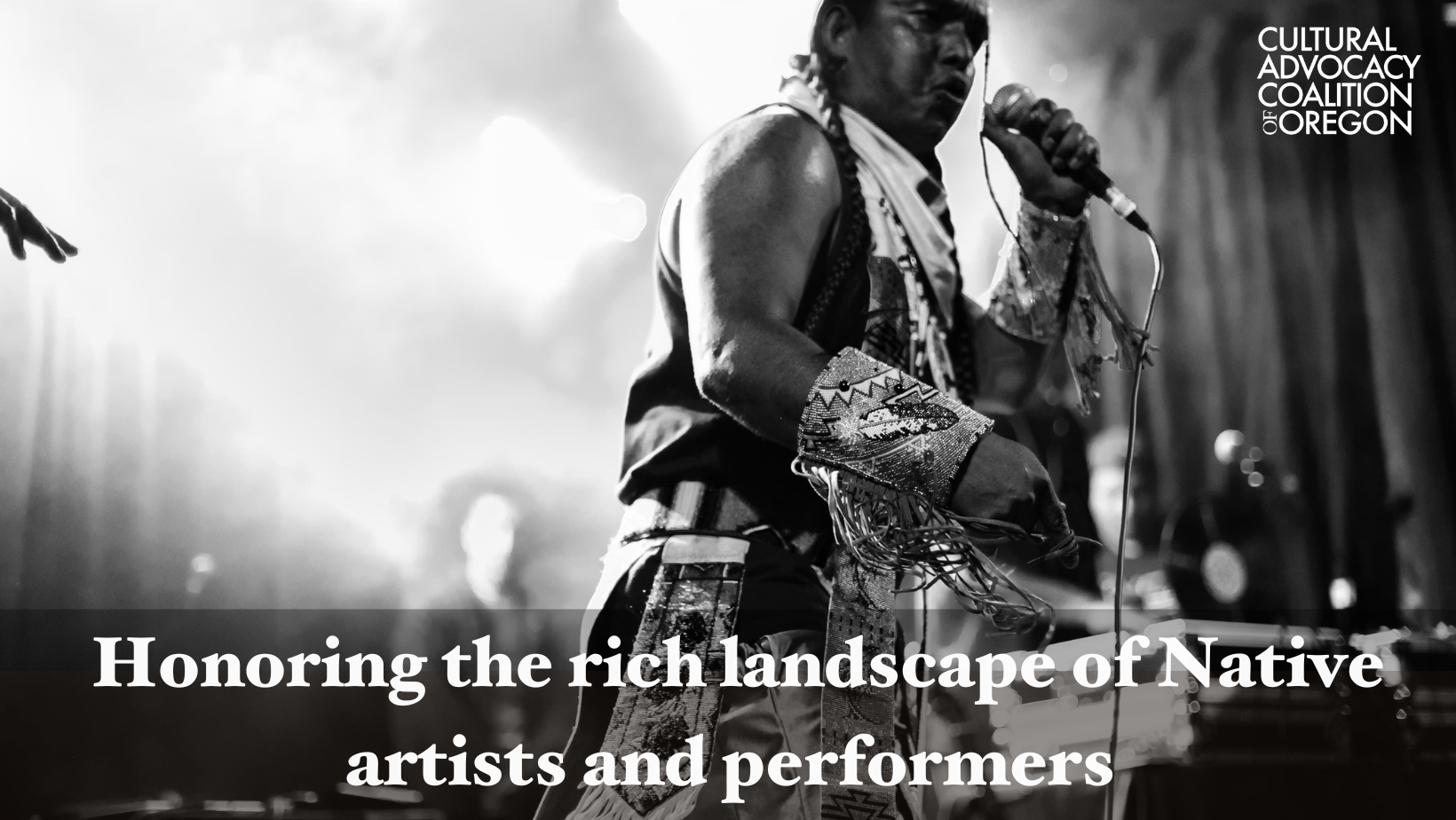
Arts and culture are two of the best ways to honor Native Americans and decolonize Thanksgiving, as we’re reminded by Joy Harjo, U.S. Poet Laureate and board chair of the Native Arts and Culture Foundation:
“We’ve come to a point in the world of great challenge, but also great opportunity, in which to revise and revitalize our communities. How do we do that? It always comes back to the arts, because arts revitalize, they tell us who we are, they tell us where we’re going and where we’ve been. Art makes connections on a deep soul level; it connects us in a way beyond words.”
-Joy Harjo
We can still be thankful while acknowledging the harm done to Native peoples by this holiday. To decolonize Thanksgiving, we need to examine our history to begin the healing process.
The Coalition acknowledges the many Tribes and bands who call Oregon their ancestral territory, including: Burns Paiute; Confederated Tribes of Coos, Lower Umpqua and Siuslaw; Confederated Tribes of Cow Creek Lower Band of Umpqua; Confederated Tribes of Grand Ronde; Confederated Tribes of Siletz Indians; Confederated Tribes of Warm Springs; Confederated Tribes of Umatilla Indian Reservation; Coquille Tribe; and Klamath Tribes. We honor the ongoing relationship between the land, plants, animals and people indigenous to this place we now call Oregon. We recognize the continued sovereignty of the nine federally recognized Tribes who have ties to this place and thank them for continuing to teach us how we might all be here together.